Russia and the successor states
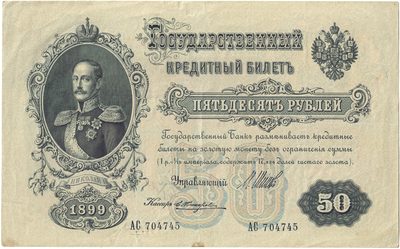
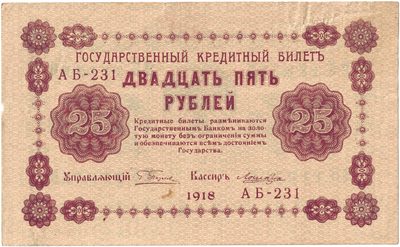
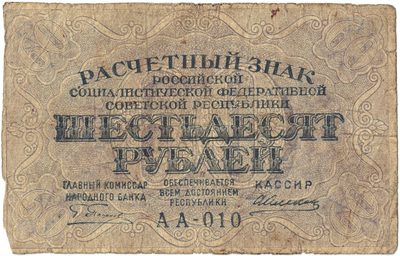
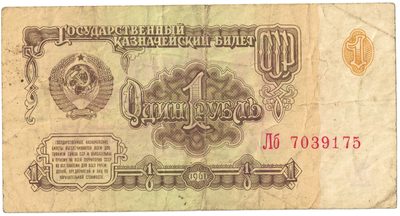
The Russian Empire, the governments that broke from it, and the states that outlived it — Russia, Ukraine, Belarus, Moldova, Georgia, Azerbaijan, Kyrgyzstan and Turkestan.
Registry
Every note here is scanned front and back, measured, graded and traced back to the state that issued it. Open any one and you can zoom into the engraving far past what the eye resolves in the hand.
The collection, grouped into 9 albums by country. Each runs chronologically, so paging through one is a single story told by however many governments happened to be issuing at the time.
The Russian Empire, the governments that broke from it, and the states that outlived it — Russia, Ukraine, Belarus, Moldova, Georgia, Azerbaijan, Kyrgyzstan and Turkestan.
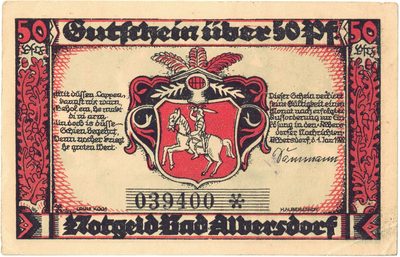
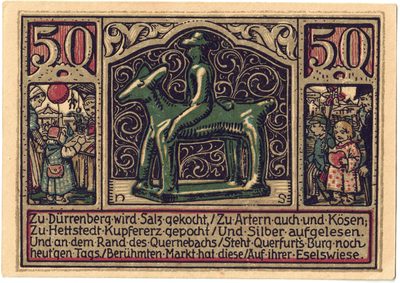
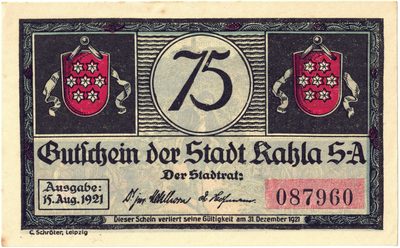
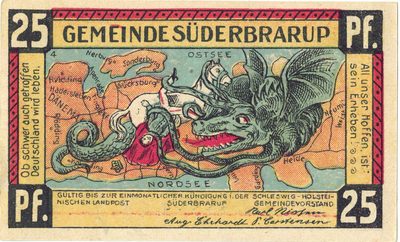
Emergency money printed by German towns, districts and states between 1914 and 1923 — from the plain war scrip of 1918 to the lithographed Serienscheine that towns sold to collectors once the shortage was over.
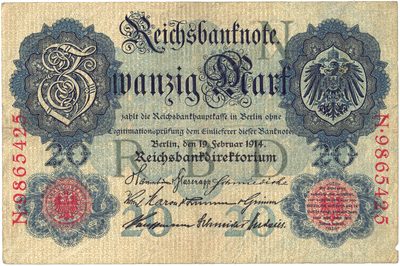
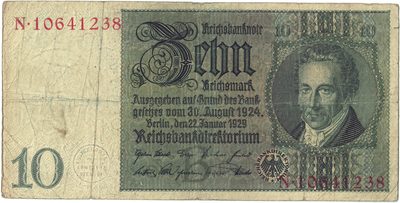
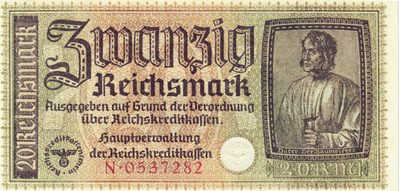
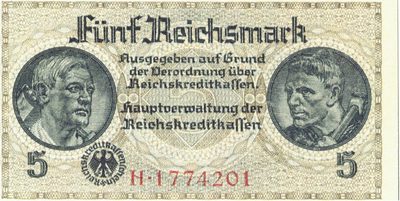
The national paper money of Germany, apart from the Notgeld — a 1917 prisoner-of-war Mark, the inflation Reichsbank note of 1922, the stabilised Reichsmark and Rentenmark of the Weimar and Nazi years, and the Reichskreditkassen scrip that paid the Wehrmacht across occupied Europe.
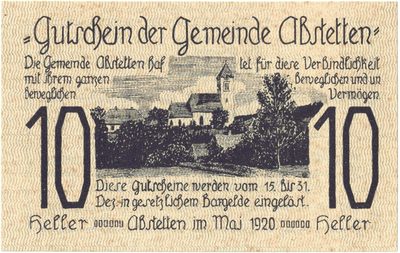
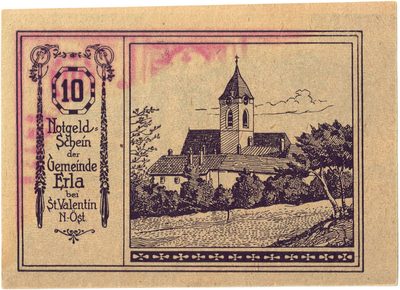
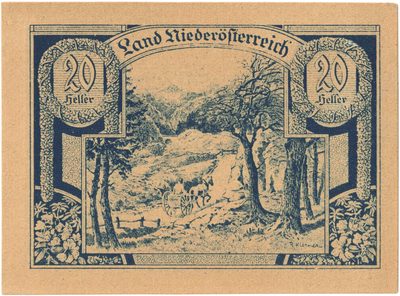
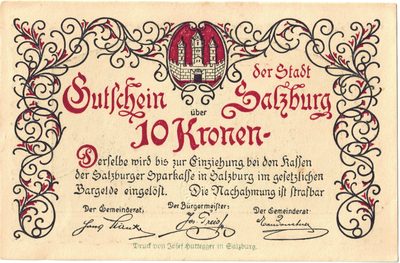
The small-change emergency of 1919–21, when several thousand Austrian communes printed their own Heller notes against a shortage of coin — and then kept printing them for the collectors.
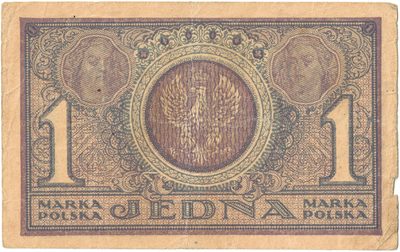
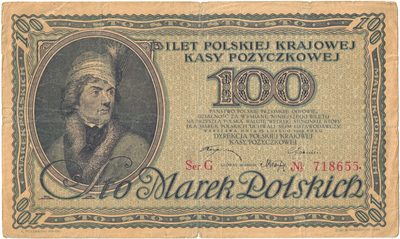
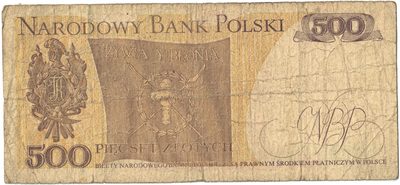
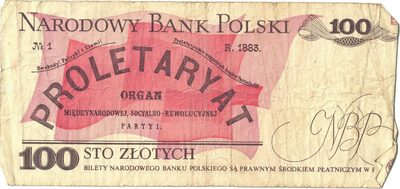
A state restored after 123 years of partition, its first marks, and banknotes overprinted by the underground opposition of the 1980s.
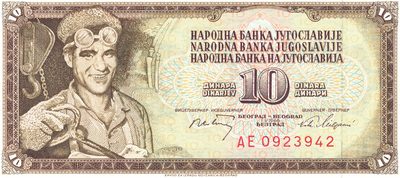
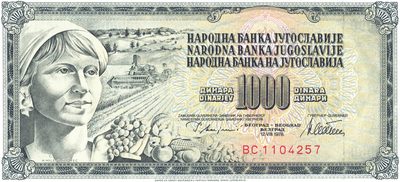
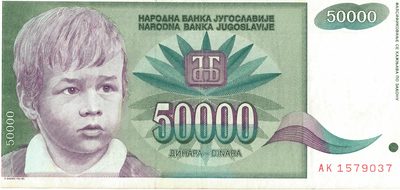
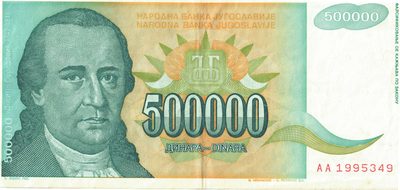
One dinar across two states — the banknotes of socialist Yugoslavia from 1968, and the hyperinflation of the rump Yugoslav federation in 1992–93, when the bank that had printed a ten-dinara metalworker was printing five-million-dinara notes.
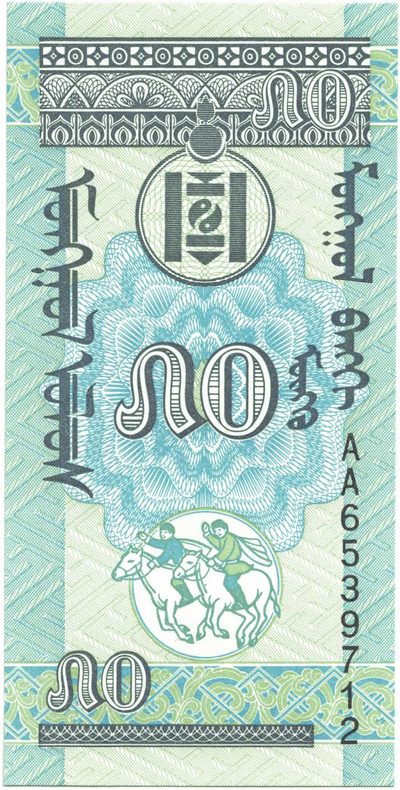
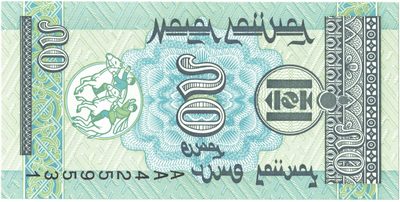
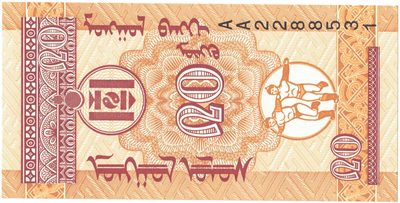
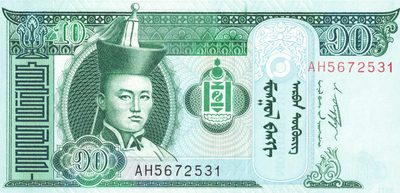
The first tögrög of democratic Mongolia — the 1993 decimal series printed by De La Rue after the 1990 revolution, with the herdsman-revolutionary Damdin Sükhbaatar on the small möngö and tögrög notes and Chinggis Khaan, suppressed through seventy Soviet years, restored to the large ones.
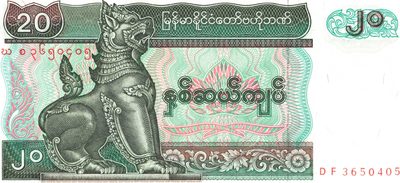
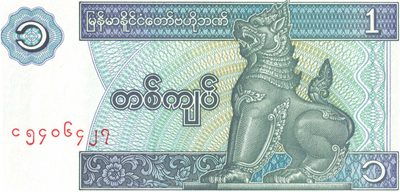
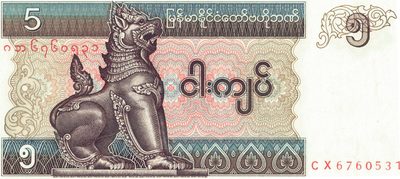
The kyat of military-ruled Myanmar — the mid-1990s series of the renamed state, issued by the Central Bank under the SLORC junta with the mythical chinthe lion on every note in place of the independence hero Aung San, whose portrait the generals had retired.
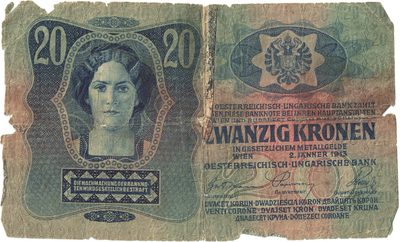
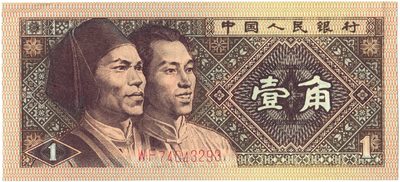
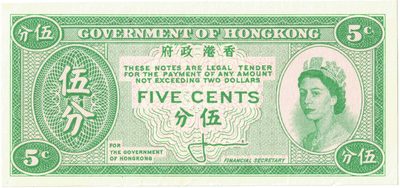
Everything the named albums do not claim — Austria-Hungary and the Austrian Kronen notes, Finland, France, Italy, Chile, China, Hong Kong, Venezuela, Australia, Sweden and Ireland.